What Himani saw running two salons
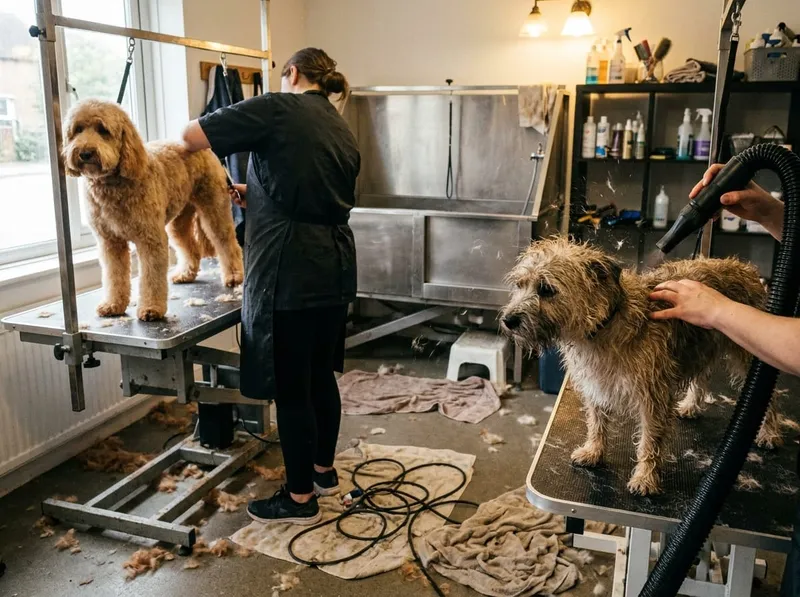
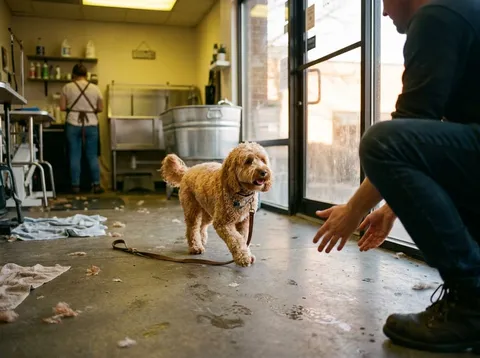
I opened my first grooming salon because I love dogs and I'm good with them. Nobody told me that most of the job would be the phone. Booking, reminding, chasing, rebooking, explaining the matting fee, finding last visit's notes on an index card someone had spilled shampoo on.
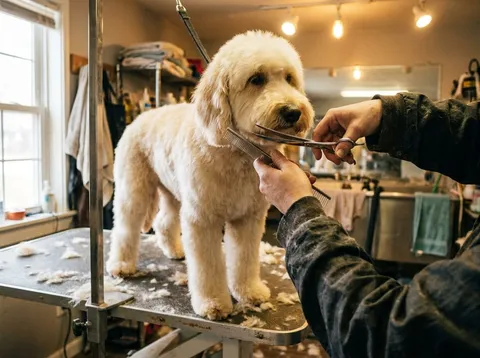
By the time we had two pet shops with grooming salons, the back office was a full-time job that nobody was paid to do. So we did what everyone does: we bought software. Then we bought different software. Every tool was built for a hair salon or a yoga studio and had a paw sticker on it. The calendar didn't understand that a doodle is a two-hour block with a bath in the middle. The reminders went out once and never told us who had actually confirmed.
Then the platform we were paying for dropped the payment system our whole shop ran on, and expected us to rebuild around it. That was the week we decided to stop renting someone else's idea of how a grooming business works.
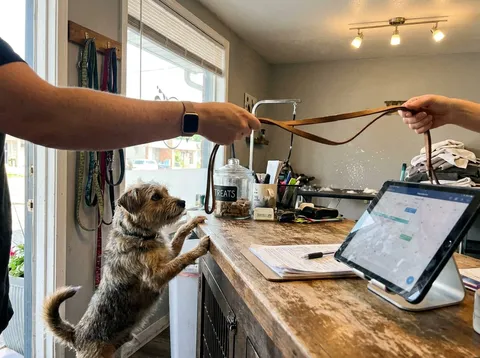
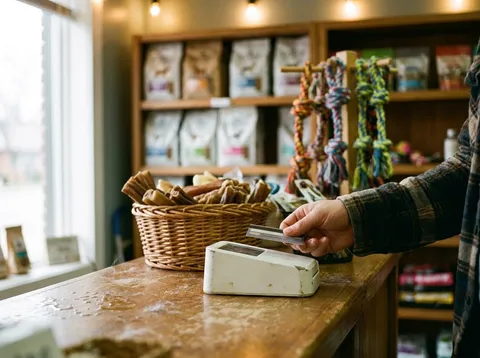
We built Packyard the way we run the floor: scheduled, checked in, in progress, ready for pickup, paid. Every client and pet documented so anyone on the team can pick up where the last groom left off. Two reminders before every appointment, and a calendar that tells you who hasn't replied. Square at the counter, because that's what was already there.
It ran our salons for a long time before it ran anyone else's. In 2026 I sold the salons to build Packyard full time, because the problem was bigger than my two shops. Every independent groomer I talked to was fighting the same fight: get found, get booked, get paid, and keep the clients they'd won. Packyard exists to even that up. When a groomer using it hits a wall on a Saturday morning, that's next week's feature. That's the whole roadmap.
— Himani